
Remembering Loved Ones With an Elegant Memorial
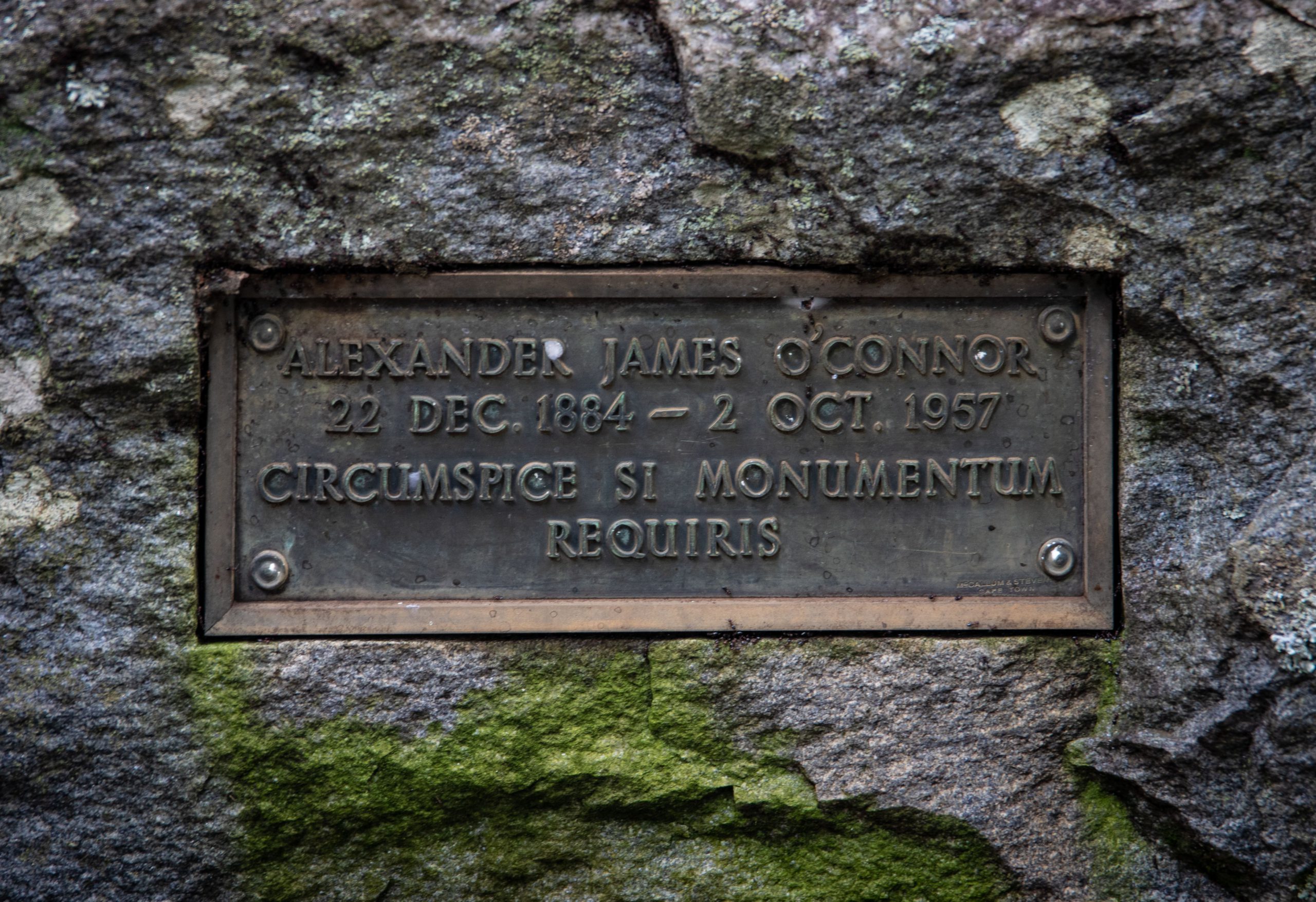
Creating a lasting memorial is one way families can honour and remember someone who has died. Granite plaques are commonly chosen because they combine durability with a dignified appearance and can be personalised with names, dates, messages, symbols and other meaningful details. They can be incorporated into cemetery memorials or used in other approved commemorative settings, depending on local requirements.
For families seeking a larger traditional memorial, granite full monuments provide greater scope for customised stonework and design. These memorials can incorporate headstones, bases, kerbing and other structural or decorative elements, depending on cemetery regulations and family preferences. Granite is widely used for monuments because it is strong, weather-resistant and available in different colours and finishes.
Memorials can also evolve as family circumstances change. Additional inscriptions may be added to an existing monument when another family member is commemorated or when further wording needs to be included. A monumental stonemason can assess the available space, existing lettering and condition of the stone before determining how new wording can be incorporated while remaining consistent with the original design.
Choosing an Appropriate Memorial
There is no single correct way to commemorate a loved one. Some families prefer understated plaques containing only essential information, while others choose larger monuments with detailed inscriptions, religious symbols, photographs or decorative stonework.
The design can reflect the personality, beliefs, cultural background or family history of the deceased. However, cemetery rules may determine the dimensions, materials and types of monuments permitted within particular sections.
Why Granite Is Commonly Used
Granite is one of the most established materials used for modern cemetery memorials. Its hardness makes it suitable for outdoor environments where the stone will be continuously exposed to rain, sunlight and changing temperatures.
Different finishes can also change the appearance of the material. Highly polished granite provides a smooth reflective surface, while other finishes can create a softer or more traditional appearance.
Granite can also accommodate various lettering and decorative techniques. Names, dates, epitaphs, religious imagery and other designs can be engraved or otherwise incorporated into the memorial.
Personalising the Inscription
The inscription is often the most personal part of a memorial. Alongside a person’s name and dates, families may choose a short message, quotation, prayer or description of their relationship to the deceased.
Careful planning is important because the wording needs to fit comfortably within the available space. Letter size, typeface, spacing and positioning can all influence readability and the overall appearance of the monument.
Maintaining an Existing Memorial
Even durable stone monuments require occasional care. Dirt, environmental deposits and organic growth can accumulate on outdoor memorials over time. Lettering and decorative elements can also deteriorate after prolonged exposure to weather.
Professional cleaning, restoration or re-lettering may help preserve an older memorial. Before any work is undertaken, the stone should be assessed so an appropriate cleaning or restoration method can be selected.
Creating a Lasting Tribute
An elegant memorial does not necessarily need to be elaborate. Careful proportions, quality materials and thoughtfully selected wording can create a meaningful tribute with a relatively simple design.
Whether a family chooses a modest plaque or a substantial monument, the purpose remains similar: to create a permanent place where a person’s life can be acknowledged and remembered. By considering the stone, design, inscriptions and long-term maintenance, families can create a memorial that remains dignified and meaningful for future generations.