
How to Set Up a Pool Table Room at Home
Creating a dedicated games room requires more than simply finding space for a table. Choosing the right pool table and cues is an important starting point, as the size of the table and length of the cues determine how much playing space is required. The room needs sufficient clearance around every side so players can take shots comfortably without hitting walls, furniture or other obstacles.
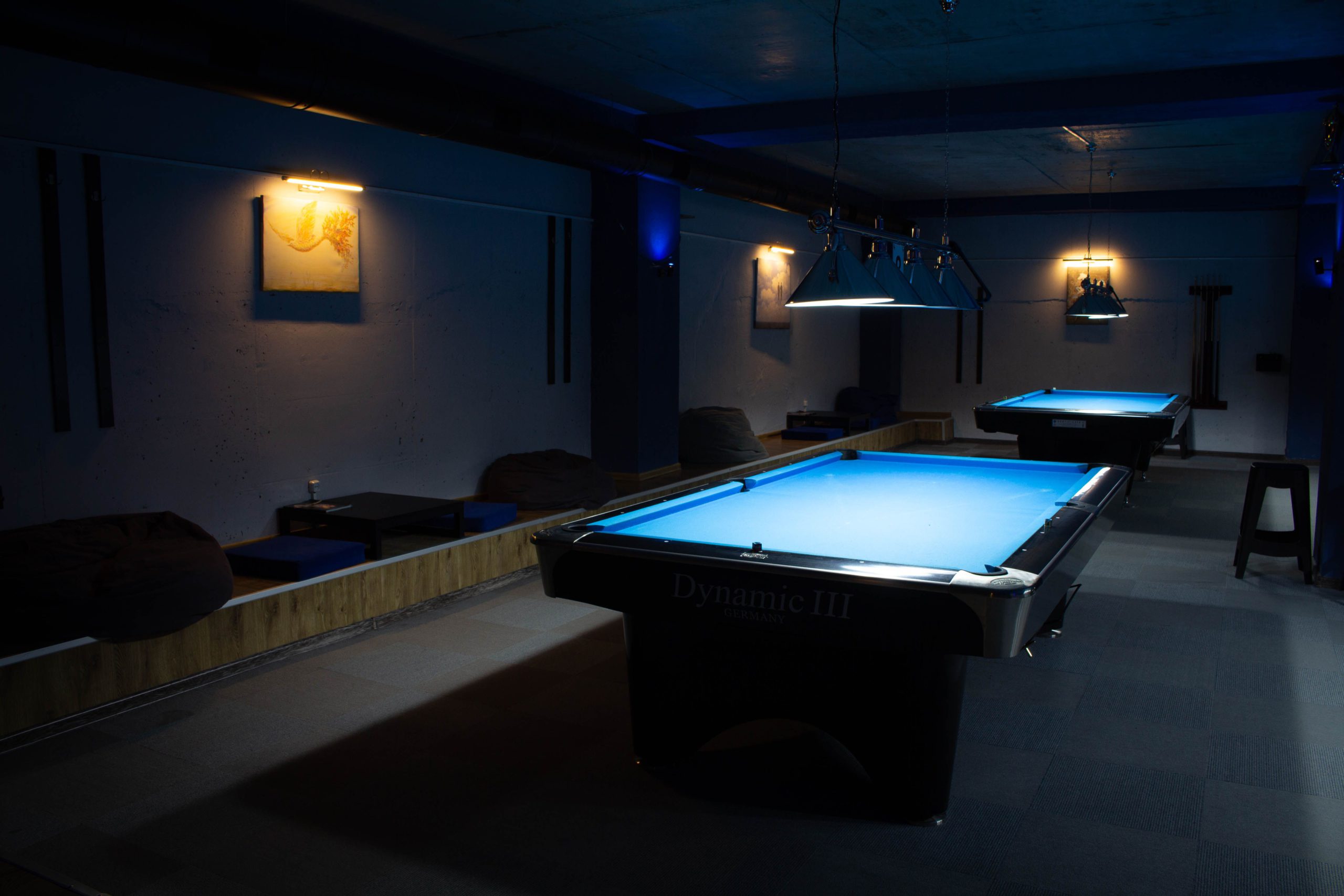
Lighting is another important consideration, and purpose-designed billiard table lights can provide consistent illumination across the playing surface. A suitable fixture should minimise shadows and glare while making the balls, cushions and table markings easy to see. Lighting is generally positioned centrally above the table and at a height that provides good coverage without interfering with players.
Measure the Room First
Before purchasing a table, measure the length and width of the intended room. Remember that the dimensions of the table itself are only part of the space requirement.
Players need enough room to stand behind the cue ball and complete a normal stroke. Standard cues are relatively long, so a table placed too close to a wall can make certain shots difficult or impossible. Doors, columns and permanent furniture should also be considered when calculating clearance.
Choose the Right Table
Pool tables are available in different sizes and construction types. The appropriate choice will depend on available space, budget and how seriously the table will be used.
A quality table requires a stable and level foundation to provide consistent ball movement. Larger and heavier tables may also require professional delivery and installation because individual components can be difficult to safely move and position.
Consider Flooring
The flooring beneath the table should be stable and capable of supporting its weight. Carpet can provide a comfortable surface and help reduce noise, while timber, tiles and other hard flooring can provide a firm foundation.
Because some tables are extremely heavy, homeowners should consider the floor structure before installation, particularly when the games room is located above ground level.
Add the Essential Accessories
A basic home pool setup requires a set of balls, a triangle or other suitable rack and cue chalk. A mechanical bridge can also be useful for shots where the cue ball cannot be comfortably reached.
Storage is worth planning from the beginning. Wall-mounted cue racks keep equipment organised while reducing the likelihood of cues being left leaning against walls, where they can fall or become damaged.
Create Comfortable Seating
A pool room can also function as an entertainment area. Chairs, stools or benches give people somewhere to sit while waiting for their turn without entering the playing area.
Any additional furniture should remain outside the clearance required for cueing. Compact furniture can be particularly useful in smaller rooms where maintaining an open area around the table is the priority.
Protect the Playing Surface
Regular maintenance helps keep a pool table performing consistently. Dust and debris should be removed from the cloth using suitable cleaning equipment, while balls and other accessories should also be cleaned periodically.
Using a fitted table cover when the table is not in use can help protect the cloth from dust, sunlight and accidental spills.
A successful home pool room combines adequate space, appropriate equipment and comfortable surroundings. Careful measurement before installation is particularly important. With sufficient playing clearance, suitable lighting, organised storage and basic maintenance equipment, a dedicated pool room can provide a practical entertainment space for regular games with family and friends.